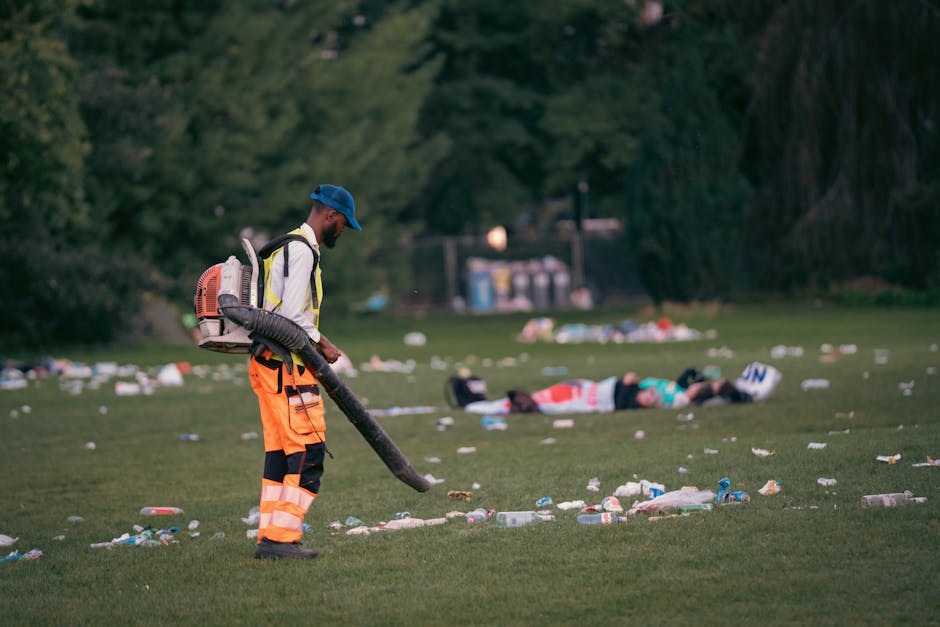
Lords Cricket Ground event rubbish removal plan St Johns Wood

If you are planning, supporting, or cleaning up after an event near Lord's Cricket Ground, rubbish removal is never just an afterthought. In St John's Wood, the right plan has to work around crowds, tight streets, bin capacity, recycling targets, and the simple reality that a busy event can leave behind a surprising amount of waste. A solid Lords Cricket Ground event rubbish removal plan St Johns Wood keeps the venue area tidy, helps operations run smoothly, and reduces the risk of complaints, delays, or a messy handover at the end of the day.
This guide breaks down how event rubbish removal works, who needs it, what to prepare, and how to avoid the usual headaches. We will also look at practical collection options, common mistakes, compliance considerations, and a realistic step-by-step plan you can actually use. No fluff. Just the stuff that matters when bins are filling fast and the clock is ticking.
Why Lords Cricket Ground event rubbish removal plan St Johns Wood Matters
Lord's is one of those places where the atmosphere is brilliant and the waste can build up fast. Match days, private functions, hospitality events, press activity, stadium maintenance, and temporary fit-outs all produce different waste streams. You are dealing with cups, packaging, food waste, cardboard, broken display materials, disposable tableware, and sometimes awkward bulky items that just will not fit neatly into a standard bin. The better the plan, the less chaos you deal with later.
St John's Wood also has its own practical quirks. Roads can get busy, access can be restricted at awkward times, and crews may have limited loading space. If you do not think through collection timing, waste segregation, and access routes in advance, even a small event clean-up can drag on longer than it should. And let's face it, nobody wants a line of overfilled sacks sat outside while people are still leaving the area.
A proper plan matters because it is not only about tidiness. It affects reputation, safety, visitor experience, and operational efficiency. A well-run clean-up means fewer slip hazards, fewer smells, less visual clutter, and a smoother reset for the next event. If you want a broader understanding of how organised collection services work, the waste removal service page is a useful place to start.
Expert summary: The best event rubbish removal plan is not the one with the most bins. It is the one that matches the event size, the waste type, the loading access, and the collection window. Simple, but easy to get wrong.
How Lords Cricket Ground event rubbish removal plan St Johns Wood Works
A good event rubbish removal setup usually starts before the first guest arrives. In practice, the process is about predicting what waste will be created, where it will collect, how it will be separated, and when it will leave the site. That sounds obvious, but in busy venues the details get lost very quickly.
Here is the basic flow.
- Assess the event footprint. Identify bars, hospitality areas, kitchens, seating zones, back-of-house spaces, loading points, and temporary structures.
- Estimate waste streams. Food waste, cardboard, soft plastics, mixed recyclables, general waste, bulky materials, and any special items need separate thought.
- Match collection methods to access. Some waste can go in bins or cages, some may need load-and-go collection, and bulkier items may need man-and-van style clearance.
- Schedule collections around crowd movement. Early morning, post-event, or off-peak windows are often easiest, though every event has its own rhythm.
- Keep waste sorted on site. If recycling is mixed into general waste, you lose efficiency and often pay for it later in time and handling.
- Do a final sweep. This is where you catch bottle tops, tape, packaging, broken chair parts, and those little bits that always hide under tables. Always the tiny stuff.
In real terms, the work tends to be split between event organisers, venue teams, caterers, cleaning crews, and the waste contractor. Each one has a role. If one part slips, the whole process gets slower. That is why a written plan is so valuable: it keeps everyone aligned without needing constant back-and-forth on the day.
For larger or more complex clearances, especially where there is event build-up or breakdown material involved, it can help to compare options with services such as builders waste clearance or business waste removal depending on the nature of the site and the waste generated.
Key Benefits and Practical Advantages
The biggest benefit is predictability. A good plan removes the guesswork. Instead of hoping the bins will be enough, or that the crew can "just sort it out later", you know what happens, where it happens, and who is doing it.
- Cleaner site presentation: Guests, partners, and staff experience a more professional environment.
- Faster turnaround: Clear schedules make post-event pack-down much easier.
- Better recycling separation: Recyclables can be captured before they are contaminated.
- Reduced trip and slip risks: Fewer loose sacks and less overfilled waste around walkways.
- Less pressure on staff: A structured process stops cleaning from becoming a last-minute scramble.
- Fewer collection surprises: You are less likely to discover hidden bulky waste at the end.
There is also a quieter benefit that people often miss: morale. Staff tend to work better in a site that feels under control. A clean, organised environment cuts that end-of-event fatigue a little. Not dramatically, but enough to matter when everyone is tired and the rain has started, which in London does happen, of course.
If your event includes furniture changes, temporary seating, or branded fit-out items, related services like furniture disposal or furniture clearance may be useful alongside the main waste plan.
Who This Is For and When It Makes Sense
This kind of plan is not only for huge stadium operations. It helps any team that expects waste to build up quickly and needs the site cleared without confusion. The smaller the access window, the more useful planning becomes.
It makes sense for:
- event organisers managing hospitality, corporate events, or receptions near Lord's
- venue teams handling match-day clean-downs and temporary setups
- catering contractors responsible for food and packaging waste
- maintenance teams clearing after repairs, decorations, or seasonal works
- production crews handling pop-up staging, signage, and temporary materials
- office or business teams hosting client events in St John's Wood
It also makes sense if you are expecting mixed waste types. For example, a hospitality area may generate glass, food waste, cardboard, and damaged display items in one shift. That is much easier to manage when the plan is mapped out rather than improvised on the day.
For commercial venues and mixed-site operations, the right support often sits somewhere between general clearance and specialist collection. Depending on what is being removed, pages such as office clearance, flat clearance, or home clearance can help illustrate the level of service you may need.
Step-by-Step Guidance
If you want the process to run smoothly, keep it simple and structured. Here is a practical sequence that works well for event waste in a busy local setting.
- Confirm the event scope. Start with guest numbers, event duration, setup size, and expected waste generation.
- Map the waste points. Identify where bins, sacks, cages, or collection containers should sit so they do not block foot traffic.
- Separate waste categories. Keep general waste, recycling, cardboard, food waste, and bulky materials apart as early as possible.
- Choose the right collection method. A small gathering may only need bagged waste removal, while a larger event may need a more coordinated sweep.
- Set collection times in advance. Agree when waste will be moved, where it will be staged, and who gives the final go-ahead.
- Brief staff and contractors. A five-minute briefing can prevent a lot of confusion later.
- Carry out a post-event inspection. Walk the route slowly and check corners, service points, and hidden spaces.
- Record any issues. If access, waste type, or timing caused friction, note it for the next event. That little bit of admin pays off.
One useful habit is to think in zones. Front of house, back of house, kitchen, temporary structure, and loading area should each have a clear waste flow. When waste moves in a straight line, the site feels calmer. When it zigzags, people start stepping over things and everyone gets annoyed. You know how it goes.
If your plan includes awkward items or specialist waste, you may need extra support. For example, appliances should be dealt with separately using a service such as fridge and appliance removal, while potentially risky materials should be handled through hazardous waste disposal where appropriate.
Expert Tips for Better Results
In our experience, the difference between a decent waste plan and a strong one usually comes down to a few details that people underestimate.
- Build in spare capacity. Events almost always create a bit more waste than expected. A little buffer saves stress.
- Label everything clearly. If containers are not marked well, recycling gets muddled fast.
- Keep collection points visible but unobtrusive. People use what they can see, but they should not trip over it.
- Plan for wet weather. Wet cardboard, soggy packaging, and slippery floors change how waste should be handled.
- Assign one person to own the process. Too many decision-makers creates delays. One clear lead is usually enough.
- Think about noise. Metal cages, lorry movements, and late-night collections can all matter in a residential area like St John's Wood.
A small but useful tip: keep one final empty bin or sack station in reserve for last-minute waste. The last 10% of mess is often the most annoying 10%. It is always the tea cups and tape, somehow.
For teams that want to improve sustainability, the recycling and sustainability page is worth reviewing alongside your plan. It helps you think about waste reduction before the event even begins.
Common Mistakes to Avoid
Most waste problems at events are not dramatic. They are boring little planning errors that stack up. The good news is they are preventable.
- Assuming standard bins will be enough. They rarely are for larger hospitality or match-day settings.
- Mixing all waste together. Once recycling is contaminated, it becomes harder to manage efficiently.
- Leaving collections too late. If removal happens after the site is already cluttered, the clean-up takes longer.
- Ignoring access constraints. Narrow streets and loading restrictions can turn a straightforward job into a delay.
- Forgetting bulky or specialist items. Chairs, fridges, soft furnishings, and equipment need separate thought.
- Not briefing the team. If staff do not know the plan, they revert to guesswork.
There is also a classic mistake that sounds small but matters: not checking what can go where before the event starts. A quick reference guide helps. For basic disposal rules and load planning, it can be useful to review what can go in a skip even if you are not hiring a skip, because the sorting logic is still relevant.
Truth be told, a lot of event waste issues are solved by avoiding panic. When people rush, they overfill containers, misplace items, or forget the final sweep. Slow down just enough to keep the process tidy. That is usually where the win is.
Tools, Resources and Recommendations
You do not need a huge toolkit to run a better waste plan, but you do need the right basics. A few simple tools make the whole process far less stressful.
| Tool or Resource | What it helps with | Best used when |
|---|---|---|
| Clearly labelled bins and sacks | Separating general waste, recycling, and food waste | Any event with multiple waste streams |
| Simple site map | Showing where waste points and collection routes sit | Venues with several access points |
| Briefing sheet for staff | Keeping everyone aligned on timing and responsibilities | Events with more than a small crew |
| Photo checklist | Confirming what has been cleared and what still needs attention | End-of-event handover |
| Dedicated collection booking | Making sure the waste leaves site at the right time | Busy schedules or restricted access windows |
If your event produces office-style waste like documents, cardboard, packaging, or temporary fit-out material, a look at confidential shredding may also be sensible for secure paper disposal. That is not for every event, obviously, but it can be useful for corporate hospitality or back-office clearance.
For pricing and planning, it helps to understand what drives the cost: waste volume, labour, access, timing, and any special handling needs. The pricing and quotes page can support that part of the decision-making process.
Law, Compliance, Standards, or Best Practice
Event rubbish removal in the UK should always be handled with care and in line with normal waste duty expectations. You do not need to turn it into a legal lecture, but you do need to be sensible about responsible disposal, segregation, and using a service that can handle the waste appropriately.
Best practice usually means:
- keeping waste secure so it does not blow, spill, or attract pests
- separating recyclable material where practical
- ensuring hazardous items are isolated and treated correctly
- using insured and safety-conscious collection arrangements
- keeping clear records if your event needs them for internal reporting
If staff are moving bulky loads, handling sharp edges, or working in congested spaces, health and safety matters as much as disposal itself. A plan should reduce manual handling risks, avoid obstructing exits, and prevent waste from becoming a trip hazard. For extra reassurance, the site's health and safety policy and insurance and safety information are useful reading before booking any larger clearance.
Privacy and security can matter too, especially for corporate or media events. When waste includes documents or branded material, check whether secure handling is needed. If you are unsure, it is better to ask early than assume later. Much less drama that way.
Options, Methods, or Comparison Table
There is no single best method for every Lord's event clean-up. The right choice depends on scale, timing, and the type of waste involved. Here is a practical comparison.
| Method | Best for | Advantages | Limitations |
|---|---|---|---|
| Scheduled bag and bin collections | Smaller events and regular hospitality waste | Simple, flexible, easy to place around site | Limited capacity for bulky or high-volume waste |
| Dedicated clearance team | Post-event clean-downs and mixed waste | Fast, hands-on, useful for awkward items | Needs clear access and coordination |
| Specialist waste handling | Hazardous, secure, or appliance-based waste | Safer for regulated or sensitive items | Requires careful separation and planning |
| Bulky item removal | Furniture, fixtures, temporary equipment | Good for event breakdown and reset | Less efficient for mixed small waste |
A lot of people ask whether a skip is the answer. Sometimes yes, sometimes no. For event environments, skips can work for certain build-up or breakdown phases, but access, timing, and street placement need attention. If you are weighing that up, the page on what can go in a skip is a good reference point for the practical side.
Case Study or Real-World Example
Picture a small corporate hospitality event near Lord's on an evening match day. The team expects light catering waste and a bit of cardboard. Simple enough, right? But by the end of the evening there are food trays, drink containers, broken packaging, wet napkins, a few display boards, and several bags of mixed waste that have nowhere obvious to go.
Instead of leaving everything for the last minute, the organiser places labelled bins in two back-of-house points, agrees a mid-event collection window, and keeps one final sweep slot for after guests leave. Cardboard is separated early. Food waste is contained. Bulky display material is stacked neatly rather than dumped in a corner. The result is boring in the best possible way: the site clears quickly, staff finish without a mad scramble, and the venue is ready for the next phase sooner than expected.
That sort of outcome is not magical. It is just planning. The little decisions made before the event started saved the bigger problem later. And honestly, that is what most good waste plans do. They quietly prevent the mess you would otherwise be dealing with at 11:30 pm in the cold.
Practical Checklist
Use this checklist before your event day arrives.
- Confirm expected attendance and event format
- Map all waste generation points
- Identify general waste, recycling, food waste, and bulky items
- Choose collection times that suit the event schedule
- Check access routes and loading space
- Brief staff, caterers, and contractors
- Label bins, sacks, and storage points clearly
- Plan for wet weather or late-running changes
- Keep hazardous or specialist waste separate
- Schedule a final site sweep before handover
- Review what worked and what did not for next time
If you need broader support across multiple clearance types, it can be helpful to review house clearance, garage clearance, or loft clearance as examples of how different waste loads are handled with a practical, organised approach.
Conclusion
A Lords Cricket Ground event rubbish removal plan St Johns Wood should make the day feel easier, not more complicated. When the waste flow is mapped properly, the bins are in the right place, and the collection schedule matches the real pace of the event, everything gets calmer. Guests notice a tidier venue, staff work with less stress, and the end-of-event clear-down stops feeling like a rescue mission.
The key is to treat rubbish removal as part of event operations from the start. That way, you are not just clearing waste. You are protecting access, improving presentation, reducing risk, and keeping the whole site moving in the right direction. Small plan, big difference.
If you are ready to put a cleaner, more efficient system in place, take the next step and make the removal plan part of the booking conversation. It is one of those decisions that pays off quietly, and then all at once when the last bag is gone and the place looks back under control.
Get a free quote today and see how much you can save.
Frequently Asked Questions
What is a Lords Cricket Ground event rubbish removal plan St Johns Wood?
It is a structured plan for collecting, separating, and removing waste generated during an event near Lord's Cricket Ground in St John's Wood. It usually covers bin placement, collection timing, recycling, bulky items, and final site clearance.
Why is event rubbish removal so important near Lord's?
Because the area can be busy, access can be tight, and event waste builds up fast. A clear plan helps avoid clutter, safety issues, delays, and complaints from guests or nearby residents.
Do I need a separate plan for food waste and recycling?
Yes, if you want the clean-up to run properly. Food waste, cardboard, glass, and general waste behave differently, and separating them early makes disposal easier and often more efficient.
What types of waste are common at events in St John's Wood?
Typical waste includes food packaging, drinks containers, cardboard, paper, disposable service items, broken signage, temporary decorations, and sometimes bulky furniture or equipment.
How far in advance should I arrange rubbish removal?
As early as you can. For larger events or restricted access times, advance planning gives you more flexibility and reduces the risk of last-minute disruption.
Can I use a skip for an event clean-up?
Sometimes, yes. It depends on access, available space, waste type, and timing. For some events, a dedicated clearance service is more practical than a skip.
What should I do with bulky items after an event?
Keep them separate from smaller waste and arrange a suitable bulky item collection. Items like chairs, temporary furniture, display boards, or equipment often need a different handling approach.
How do I know if something counts as hazardous waste?
If it could be harmful, sharp, corrosive, or otherwise risky to handle, treat it cautiously and separate it from standard event waste. When in doubt, do not mix it in with general rubbish.
Is waste removal different for corporate events and match-day hospitality?
Yes, mainly because the volume, waste type, and timing can differ. Corporate events may produce more paper, branded materials, and catering waste, while match-day hospitality can create faster, heavier peaks of mixed rubbish.
What is the biggest mistake people make with event rubbish removal?
The most common mistake is leaving it too late. Once waste is piled up and guests are leaving, everything gets slower and messier. A simple, early plan avoids most of that stress.
Can waste removal help with sustainability goals?
Yes. Good sorting, sensible container use, and a recycling-first approach can reduce unnecessary landfill use and make the event look more responsible overall.
Where should I start if I want professional help?
Start by reviewing the scope of the event, the type of waste involved, and the access restrictions. Then look at the relevant pages for pricing and quotes and book online when you are ready to move forward.