Health & Safety Policy for Commercial Waste Removal St Johns Wood
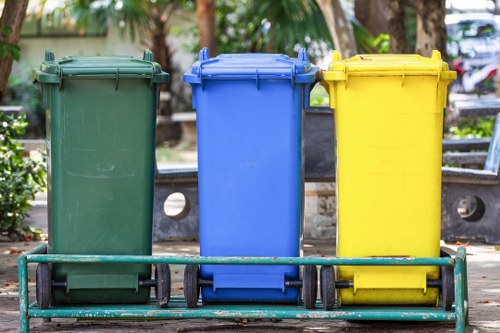 Introduction: This Health and Safety policy sets out the standards, responsibilities and controls adopted by our commercial waste removal and rubbish collection operations in the service area. It applies to all employees, contractors and visitors involved in commercial refuse removal, waste collection and on-site clearance activities. The objective is to protect people, property and the environment by minimising risk during every stage of a waste removal contract. Wherever staff or subcontractors work on-site, this policy forms the basis for planning safe operations.
We recognise that commercial waste collection and rubbish clearance can present hazards ranging from manual handling and vehicle collisions to exposure to hazardous materials. Our commitment is to comply with recognised health and safety standards, implement risk-based controls and to maintain an active programme of staff training and monitoring. This policy is relevant to all commercial bin clearance, skip collection and bespoke waste management tasks in the rubbish company service area.
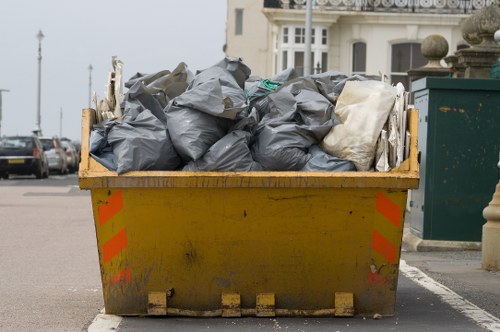
Responsibilities and governance
Senior management are accountable for ensuring adequate resources for safety, including competent supervision, safe vehicles and maintenance. Managers and supervisors are responsible for enforcing safe working practices during commercial waste removal, ensuring risk assessments are completed and that any controls are implemented. All employees must follow safe systems of work, report hazards and use personal protective equipment (PPE) provided. Contractors engaged for commercial refuse removal must provide evidence of relevant competence and adhere to this policy as a condition of contract.Risk assessment and control measures
Risk assessment is central to safe rubbish removal operations. Assessments will identify hazards such as sharp objects, contaminated waste, manual handling exposures, asbestos risk indicators and vehicle movement. Controls include:
- Elimination or segregation: remove unnecessary items from the site and segregate hazardous materials;
- Engineering and administrative controls: use secure containment, safe access routes, and traffic management plans for commercial waste collection vehicles;
- PPE and tools: appropriate gloves, hi-vis clothing, steel-toe boots and cutting tools for safe handling of commercial refuse.
 Manual handling and vehicle safety are priority issues. Teams are trained in safe lifting techniques and provided with mechanical aids where possible. Drivers must follow defensive driving standards, secure loads properly and perform vehicle pre-checks prior to operations. Where collections take place near busy access points, temporary traffic controls and banksman supervision should be used to reduce collision risk.
Handling of hazardous or regulated waste is strictly controlled. Items suspected of being hazardous (chemicals, contaminated clinical materials, asbestos-containing materials) must be isolated and reported to a supervisor. We will not accept or remove clearly labelled hazardous waste without correct documentation and appropriate permits. The rubbish company’s waste transfer records and manifest systems are maintained to ensure traceability for any commercial waste removal or recycling activity.
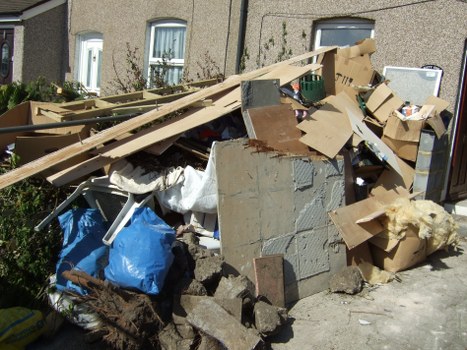 Training, competency and welfare: employees and contractors receive induction, job-specific training and periodic refresher courses. Training covers manual handling, PPE use, hazardous waste awareness and vehicle safety. Welfare arrangements for staff include access to first aid, hydration, rest breaks and safe storage areas for personal items during commercial bin clearance and rubbish removal tasks. Supervisors will evaluate competency through observation and documented checks.
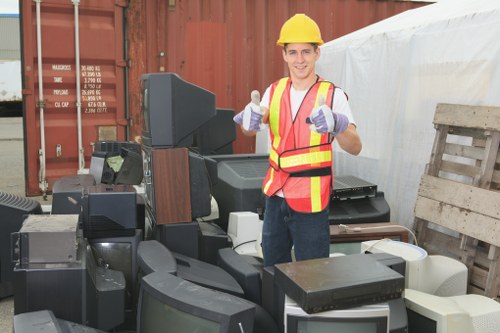 Emergency procedures and incident reporting: clear procedures are in place for spill response, injury, fire and environmental incidents arising from waste removal activities. All incidents and near-misses must be reported promptly and investigated to identify root causes. Findings will be used to update risk assessments and preventative measures. Emergency contact instructions are provided in operational manuals and to site supervisors to support rapid response while avoiding unnecessary local detail on this legal policy page.
Monitoring, audit and continuous improvement form a key part of our safety culture. Regular site audits, vehicle checks and management reviews are carried out to confirm that commercial waste collection and rubbish removal activities meet safety standards. Performance indicators such as incident rates, training completion and audit findings are reviewed by senior management and used to drive corrective action.
Subcontractors and supply chain
Subcontractors engaged for commercial waste services must operate under equivalent safety standards. Contracts require proof of insurance, risk assessments, method statements and evidence of training. The company retains the right to suspend or terminate agreements where safety performance is unsatisfactory. Collaboration across the supply chain is encouraged to develop safer waste handling and disposal methods.Policy review and communication
This policy is reviewed annually or after significant incidents or legislative changes affecting waste removal. The revised policy will be communicated to all staff and contractor partners. Records of reviews, risk assessments and training are retained for governance purposes. By committing to these measures, the organisation aims to deliver safe, compliant and reliable commercial waste removal and rubbish collection services across the service area.Signed and authorised: Senior Management Team
