Commercial Waste Removal in St Johns Wood for reliable day-to-day business clearances
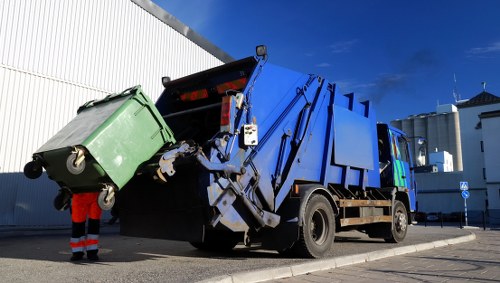
Commercial waste removal in St Johns Wood helps businesses keep workspaces clear, presentable and ready for the next shift. We handle routine and one-off collections for offices, shops, hospitality premises and other commercial settings, with a focus on practical removal of mixed non-hazardous waste, bulky items and recyclable materials. If your premises need a tidy and organised clear-out, our service is built around straightforward collection and responsible handling.
The most useful starting point is to match the waste stream to the right route. General business waste, office furniture, packaging, light refurbishment debris and redundant equipment can often be separated before collection, which makes the job cleaner and easier to manage. Where items need special care, such as fridges, confidential paperwork or awkward furniture, we can keep the process orderly and make sure the right steps are followed. Clear sorting saves time later and reduces the chance of avoidable disruption.
To request a quotation, send through the type of waste, access details and the approximate amount to remove. If you already know whether the collection is from a single room, a floor of offices or a storage area, that helps shape the estimate. A brief note about loading access, lift use and any narrow corridors is also useful. You can also plan ahead for an easier collection window by grouping items together before we arrive.
Office waste, furniture and everyday commercial clearances
Office waste removal often involves more than one type of material. Desks, chairs, shelving, filing units, monitors, keyboards, boxes of paper and general refuse may all need separate handling so the space can be cleared without confusion. In many workplaces, the aim is to remove redundant items while leaving the usable parts of the office untouched. That is why our service is organised around the actual layout of the premises rather than a one-size-fits-all approach.
Where furniture forms the bulk of the load, it helps to think in terms of access and dismantling as well as volume. A reception desk, meeting table or heavy cabinet may need to be moved in sections, especially in buildings with limited turning space. If you are comparing options, it is worth considering whether the collection team can manage both the lifting and the responsible disposal route. For a broader overview of what we handle, see our business waste removal service.
What commercial collections typically include
Businesses ask for different combinations of clearance work, but the pattern is often similar. The collection needs to be tidy, the items need to be removed without blocking the day, and the waste needs to be handled in a way that fits the type of material. A practical quotation is easier when the work is described clearly, even if the collection is straightforward.
Responsible disposal routes and recycling-led sorting

Responsible disposal matters because not every item belongs in the same stream. Cardboard, mixed office waste, metal shelving, wooden desks and reusable fixtures can each call for different handling. When materials are separated sensibly, the collection becomes more efficient and the destination can be chosen with more care. That supports a neater result for the client and a more orderly route for the waste itself.
Our service can include removing items with reuse or recycling potential alongside general rubbish from the same premises. This is particularly useful during clear-outs where useful materials, worn furniture and packaging all appear together. If your business is changing layout, reducing storage or replacing older furniture, the waste may not fit neatly into one category. In that case, it helps to describe the different item types rather than calling everything rubbish. You can also review our recycling and sustainability page for further detail on how materials are approached.
Collections are usually simpler when waste is ready in one place, but it is not essential for every item to be piled up in advance. What matters most is that the load can be identified and accessed safely. A short list helps with pricing, and a few photos can be useful when the space contains a mix of furniture, packaging and loose items. If there are any awkward or oversized pieces, mention them early so the plan can take account of lifting and movement.
Bulky items, appliances and specialist item handling

Many commercial premises generate bulky waste that cannot simply be bagged and removed with ordinary refuse. Staff rooms, kitchens, stockrooms and reception areas may contain fridges, freezers, shelving, display units or old seating that needs careful handling. These items take up space, can be awkward to move and may require separate disposal arrangements depending on what they are made of and how they have been used.
For businesses replacing equipment, it is worth grouping bulky items by category before collection day. That makes it easier to identify what can be loaded together and what needs a different route. Our wider service range includes fridge and appliance removal for items such as refrigeration units, and mattress and sofa disposal where soft furnishings need to be cleared. These pages are useful if your premises include staff accommodation, a waiting area or mixed-use furniture.
Not every bulky item is difficult because of its weight; sometimes the challenge is simply shape, size or access. A single large cabinet may be more troublesome than several smaller bags of waste. Practical planning therefore focuses on the route out of the building as much as the load itself. If an item needs to be separated into parts before removal, that should be stated in the quotation request so the work can be costed accurately.
Clearance for workspaces, storerooms and changing layouts
Commercial waste removal is often needed when a room no longer serves the way a business operates. Office reconfigurations, stock room tidy-ups, leased unit handovers and routine deep clearances all create material that must be moved without causing confusion on site. The work may involve only a few pieces of furniture, or it may involve a fuller clear-out of paper waste, boxes, shelving and redundant equipment.
Where a workplace has several zones, it helps to identify which area needs attention first. Reception, back office, archive room and storage space may each contain a different mix of items. If the collection is part of a change in layout, the most useful approach is to remove what is no longer needed and leave anything that will be reused or relocated. For premises with more domestic-style contents, our flat clearance and home clearance pages show related clearance options, although the business service remains the best fit for commercial settings.
Some clients want a clear-out before decorators, installers or new tenants arrive. Others need a space emptied after a long period of storage. In each case, the final objective is similar: remove the waste cleanly, avoid unnecessary handling and leave the area ready for the next stage. If you are still comparing services, a concise description of the room, items and access route is the quickest way to get a realistic quotation.
Office and business clearances with sorted materials
When a business clearance includes several material types, sorting makes the work more manageable. Paper, cardboard, metal, timber, plastics and mixed general waste each have their own characteristics, and they are not always best treated as a single load. Commercial premises often generate a blend of these items during an office move, a refit or a general declutter, so the service needs to be flexible enough to deal with the full picture.
If your business is disposing of confidential paperwork, it is sensible to keep those documents separate from general office rubbish. Our confidential shredding page is relevant where secure destruction is needed alongside clearance work. For businesses with broader waste streams, the important point is to describe what is present, not just the number of bags or boxes. That allows the collection to be matched to the load, whether it is a few isolated items or a fuller office clean-out.
Useful information for a quotation usually includes the type of business, the approximate volume, whether the waste is upstairs or at ground level, and whether items are loose or already grouped. It also helps to mention if the clearance is linked to a move, refurbishment or ongoing waste removal schedule. With those details in hand, the service can be shaped to suit the premises rather than forcing the premises to fit the service.
About St Johns Wood

St John’s Wood is a district in north-west London, positioned just north of Regent’s Park and south of Hampstead. It developed from former woodland and later became known for substantial residential streets, elegant villa terraces and a generally low-rise character compared with much of inner London. The area is commonly associated with wide roads, mature trees and a strong sense of separation from the denser neighbourhoods around it, even though it remains well connected by the Underground and main road links. St John’s Wood station on the Jubilee line is one of the best-known transport points, while nearby Swiss Cottage and Maida Vale help define the wider local context. The district also includes streets and garden squares that reflect different phases of nineteenth-century suburban development, with many buildings showing the architectural confidence of that period. Lord’s Cricket Ground is a major landmark closely tied to the area’s identity, drawing attention well beyond the immediate streets. Abbey Road, made famous by the recording studio and the zebra crossing, is another reference point that has given the district a lasting cultural presence. Alongside these well-known names, the area contains quiet residential streets, small local shops and pockets of greenery that reinforce its measured, residential feel. Its edges connect to Regent’s Park, Primrose Hill and the broader Westminster and Camden districts, placing it within a varied part of the capital where open space, historic housing and transport links all sit close together.
Specialist commercial waste streams for different premises
Not every premises produces the same kind of waste, which is why commercial waste removal needs to be considered by material and setting. A restaurant may generate packaging, kitchen fittings and occasional appliance changes. A shop may need display units, shelving and cardboard removed. An office may be dealing with desks, chairs, archive boxes and broken electronics. The service has to respond to those differences without overcomplicating the process.
Where the waste includes potentially awkward items, the key is to identify them early and keep the list honest. Hazardous or regulated materials are a separate matter and should never be mixed into a normal clearance request unless the proper route is available. For that reason, our hazardous waste disposal page is relevant only where the waste genuinely requires specialist handling. Most commercial loads, however, are a combination of standard items that can be collected in one organised visit.
Businesses often want reassurance that the clearance will not create extra disruption. A sensible plan usually includes clear access, a point of contact on site and a simple understanding of what stays and what goes. Where the job is part of an ongoing cycle, the same approach can be repeated from visit to visit, making the process more predictable. If your premises also need secure checks around payment or service details, those matters can be handled separately through the usual enquiry process.
Preparing a useful quotation and arranging collection

A clear quotation request does not need to be long, but it should be specific. The most helpful details are what is being removed, where it is located, whether there are stairs or lifts, and whether the waste is already grouped. If there are mixed materials, mention the mix rather than describing the whole load in general terms. That gives a better basis for pricing and helps avoid unnecessary back-and-forth.
If the clearance involves multiple rooms, it is best to note which spaces are included and whether anything is staying behind. A short list can work very well, especially when the work involves both furniture and general waste. You may also find it helpful to review our pricing and quotes page before sending details, as it gives a useful route for discussing the likely shape of the job. Honest item descriptions are usually more useful than broad estimates of how full a room feels.
Once the scope is clear, the next step is usually to agree a convenient collection time and confirm access. If the business is open while the work is carried out, that should be said upfront so the collection can be planned around staff and customers. Please request a quotation when you are ready, and we will use the details to shape a practical removal plan.
Other useful clearance pages for wider business and property needs
Some commercial waste jobs overlap with related clearance services, especially when a business is moving, refurbishing or closing part of a site. In those cases, broader property clearances may be relevant alongside the main business collection. For example, storage rooms, loft-style spaces, garages and mixed-access areas often generate items that do not fall neatly into one category. The right service depends on the actual contents rather than the label on the room.
Related pages such as garage clearance, loft clearance and builders waste clearance can be helpful if your project includes a mix of stored items and post-work debris. When a collection includes furniture that is no longer needed, our furniture disposal page is another useful reference. These pages sit alongside the core commercial service, giving a clearer route for jobs that cross over between business use and property clearance.
For many clients, the most practical approach is simply to describe the job accurately and let the collection method follow from that description. That keeps the process focused on the actual load, the building layout and the disposal route, rather than forcing the customer to choose a service label that only partly fits. If you are unsure, a brief description of the items is normally enough to point you in the right direction.
Business waste removal for organised, practical site clearances
Our business waste removal service is designed to handle the kind of items that build up in ordinary commercial premises over time. That includes worn office furniture, packaging, archive material, broken fixtures, loose rubbish and a range of other non-hazardous items that need to be taken away in an orderly way. The aim is to leave the space usable again without overcomplicating the process.
For premises that need a fuller clear-out, it can be useful to think in stages: identify what is staying, set aside anything confidential or reusable, and group the items that need collection. That method works well for offices, shops, shared spaces and support rooms. If your job involves a larger mixed load, you can also mention whether the removal is a one-off or part of a planned sequence of clearances. If you would like to continue, send your item list and ask for a quotation.
We handle commercial waste removal in St Johns Wood with a straightforward focus on the actual contents of the site, the access available and the type of collection needed. Whether the job is a small office clear-out or a broader business removal, the process works best when the scope is described clearly from the start. For the final step, please contact us with the details of your collection and request a quotation.