Office rubbish removal St Johns Wood commercial waste for shops
If you run a shop, manage a small office, or oversee a mixed-use premises in St Johns Wood, rubbish has a way of becoming a daily issue before anyone notices. One day it's a few cardboard boxes and old packaging; next day it's broken display material, printer waste, and sacks that seem to appear out of nowhere. Office rubbish removal St Johns Wood commercial waste for shops is really about getting that stream under control without disrupting trading, staff movement, or customer experience.
Done well, it keeps the back area tidy, the front of house presentable, and the whole place easier to work in. Done badly, it can leave you dealing with clutter, complaints, pests, and avoidable costs. This guide breaks down how commercial waste removal for offices and shops works in practice, what to expect, and how to choose a sensible setup for your premises.
Whether you are clearing a single office room above a retail unit or managing ongoing waste from a busy shop floor, the aim is the same: less hassle, more order, and a cleaner working day. Let's get into it.
Why Office rubbish removal St Johns Wood commercial waste for shops Matters
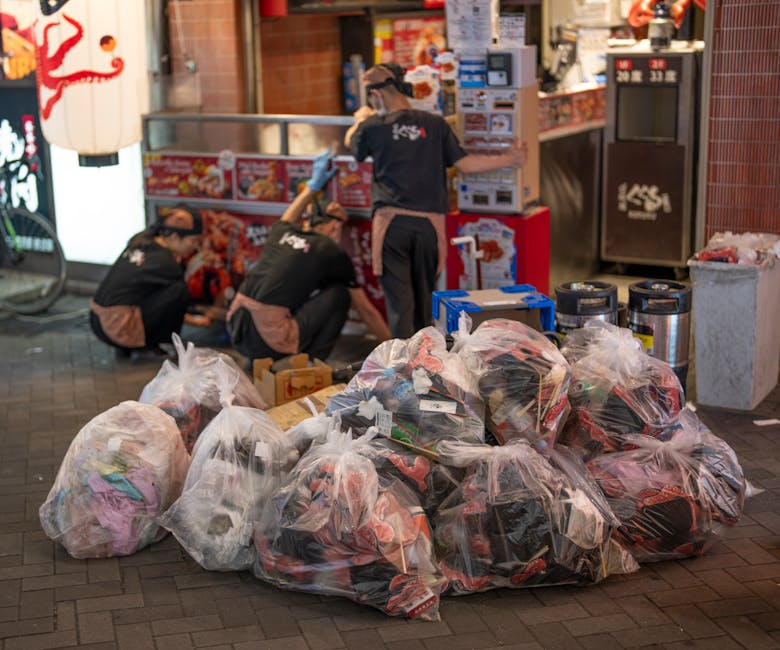
In a busy part of London, waste management is not just a housekeeping task. It affects how a shop looks, how an office functions, and how smoothly deliveries, stock handling, and customer service all run. In St Johns Wood, where many premises are compact and foot traffic matters, a pile of bags outside the wrong door can be more than an eyesore. It can quickly become a practical problem.
For shops, commercial waste often includes packaging, damaged stock, food waste from cafes or convenience units, used promotional material, and the everyday flow of cardboard that comes with deliveries. For offices, it might be paper, confidential shredding, packaging, old equipment, and clearance items from refits or staff changes. Mix those streams together and you can end up with poor sorting, extra charges, and waste that is harder to collect.
There is also the customer-facing side. People notice clutter, especially in areas where presentation matters. A tidy frontage, clear access, and regular removal help maintain a sense of control. It sounds simple, but that is often where the biggest difference is made. Truth be told, most businesses do not need more waste. They need a system.
Another reason it matters is continuity. Waste left too long can cause odours, trip hazards, blocked service corridors, or problems with storage. Even a small back room can turn awkward fast if it becomes the unofficial dumping point for everything nobody has time to deal with. And everyone has that room, haven't they?
Expert summary: the best commercial waste setup is not the one with the most collection capacity. It is the one that matches your actual waste stream, your available space, and your opening hours without creating friction for staff or customers.
How Office rubbish removal St Johns Wood commercial waste for shops Works
At a practical level, office and shop waste removal usually follows a simple process: identify what needs removing, separate it sensibly, arrange collection or clearance, and make sure the waste ends up in the right place. The details matter, though, because different waste types behave differently and are often handled differently by providers.
1. Waste is assessed by type and volume
The first step is usually to work out what you actually have. Is it general waste, cardboard, paper, mixed recyclables, bulky items, or a one-off clearance after refurbishment? A shop with heavy cardboard turnover will need a different arrangement from an office producing mostly paper and packaging. This sounds obvious, but people often underestimate volume until the bags start stacking up by the door.
2. Collection method is matched to access and timing
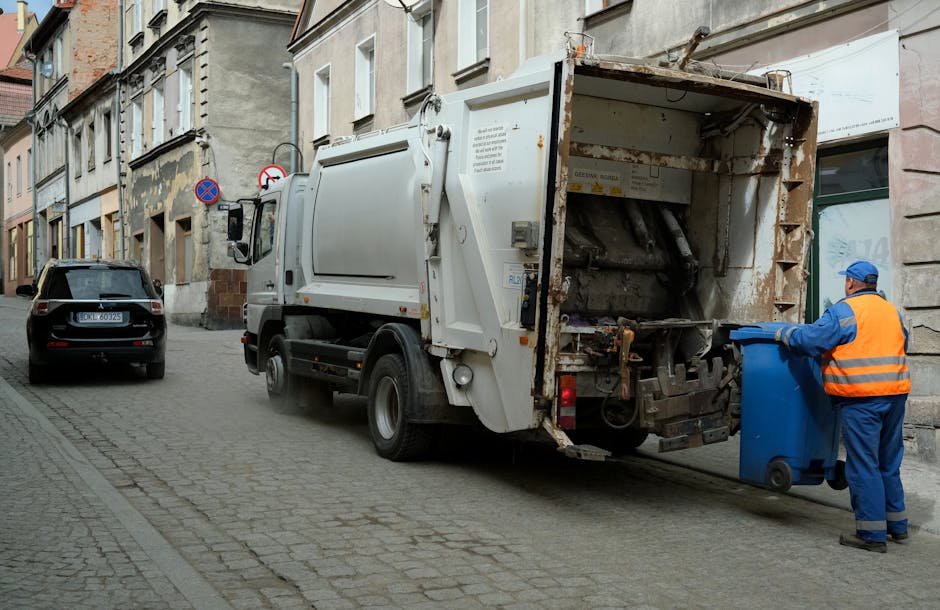
St Johns Wood premises can vary quite a bit. Some have tight side access, some sit on busy roads, and some have limited storage space. The collection method needs to fit that reality. A good setup usually takes into account staff hours, opening times, and how quickly waste builds up during the week. Early collections, end-of-day clearances, and scheduled regular pickups can all make sense depending on the site.
3. Waste is sorted, loaded, and removed
Most businesses do better when waste is sorted before it is collected. Cardboard in one place, general waste in another, and recyclable material kept clean where possible. It reduces confusion, speeds up loading, and often makes the whole thing more cost-effective. To be fair, if the waste is all thrown together, the process gets messy fast.
4. Disposal or processing is handled downstream
Once removed, waste should be transferred to appropriate processing, recycling, or disposal routes. For business owners, the important thing is not to manage that entire chain yourself, but to know that the provider is equipped to handle the waste lawfully and responsibly. If you deal with mixed commercial waste, ask how it is sorted and what happens to recyclable materials. Not every bag is equal, and not every collection is as straightforward as it looks.
5. Ongoing service is adjusted as the business changes
Waste patterns shift. A shop has a seasonal spike. An office goes through a fit-out. New stock arrives. Staff numbers change. The best waste arrangements are not rigid. They get reviewed and adjusted, which is often where better value comes from over time.
Key Benefits and Practical Advantages
Proper office rubbish removal and commercial waste handling brings a mix of obvious and less obvious benefits. Some are visual. Some are operational. Some only become obvious after a few weeks of less clutter and fewer headaches.
- Cleaner premises: Less overflow around bins, back areas, and entrances.
- Better customer impression: Especially important for retail units where presentation affects trust.
- Improved staff efficiency: Teams spend less time moving bags, stacking boxes, or working around waste.
- Lower risk of blocked access: Clear paths help deliveries and day-to-day operations.
- More sensible sorting: Recycling and general waste are easier to manage when systems are clear.
- Reduced stress during busy periods: Christmas trading, stock launches, office moves, and refurbishments all become easier to handle.
There is also a quieter benefit: better habits. Once a business has a clean, workable waste routine, other areas often improve too. Storage gets tidier. Stock rotation gets a little sharper. Staff are less likely to leave things "for later" because later becomes a real deadline instead of a vague hope.
For offices above shops or in mixed-use buildings, the benefit is even more noticeable. Shared access routes are easier to manage when waste does not accumulate in the wrong place. And that matters in buildings where everyone has a stake in the same entrance, lift, or service corridor.
Who This Is For and When It Makes Sense
This kind of service is not only for big premises with huge waste volumes. In fact, many of the most practical use cases are smaller businesses that simply do not have the space or time to handle rubbish efficiently themselves.
Shops and retail units
If you run a boutique, convenience shop, salon, gift store, or specialist retailer, you probably generate more packaging and display waste than you expect. Stock arrives in boxes, wrapping, and protective material. Damaged goods need clearing. Seasonal changes mean old point-of-sale material has to go. A regular waste routine keeps all of that from snowballing.
Offices above retail or in shared buildings
Small offices often struggle with paper waste, occasional bulky removals, and limited storage. If staff are trying to manage rubbish between meetings, calls, and customer work, the process tends to get neglected. A structured collection plan helps a great deal here.
Mixed commercial premises
Some buildings are a blend of office, shop, and storage space. These are the ones where waste gets awkward. Different users generate different rubbish, and nobody wants to be the person who owns the overfilled bin. Clear rules and a simple service arrangement avoid that small but very real friction.
Short-term projects and one-off clearances
Refits, seasonal resets, post-move clearances, and stock room reorganisations all create bursts of waste. In those cases, a one-off collection can be more suitable than a standing contract. It is a good fit when the problem is temporary but urgent.
When does it make sense to act? Usually sooner than people think. If you are storing waste in a way that affects safety, creates odour, blocks access, or interrupts trading, it is already worth addressing. Waiting for a "less busy week" is a common habit, but that week often never quite arrives.
Step-by-Step Guidance
If you are trying to organise office rubbish removal in St Johns Wood for a shop or commercial unit, the easiest way is to break the task into manageable steps.
- Identify your main waste types. Separate general waste, cardboard, paper, food waste, electrical items, and bulky items. This gives you a realistic picture of what needs handling.
- Estimate frequency. Ask yourself whether waste builds daily, weekly, or only during busy periods. A small shop may need little more than scheduled weekly support, while a stock-heavy unit may need more frequent collections.
- Check access and storage space. Note where bins are kept, how waste leaves the premises, and whether there are height, width, or timing limitations.
- Decide what should be recycled. Clean cardboard and paper are often the easiest wins. If you can sort those properly, the rest of the system usually becomes simpler.
- Set internal responsibility. Someone should know when to empty bins, where to place rubbish, and what should not be mixed together.
- Plan for peaks. Think about deliveries, promotions, refits, and seasonal spikes. Waste rarely stays perfectly steady.
- Review after the first few collections. If the setup is awkward, adjust it. A waste system should fit the business, not the other way round.
A useful trick, especially in small premises, is to spend one day just observing where waste actually piles up. The spot people use is not always the spot you intended. That little mismatch can explain a surprising amount of mess.
Expert Tips for Better Results
Most waste problems are not dramatic. They are small, repeated inefficiencies that build up. Fix the habits, and the service becomes easier almost immediately.
Keep cardboard clean and dry
Cardboard is one of the easiest materials to manage, but only if it is not contaminated with food residue, liquid, or general rubbish. Damp cardboard takes up more space, weighs more, and becomes harder to recycle. Fold it down properly and store it neatly if possible.
Place bins where staff naturally use them
If a bin is too far away, people won't use it properly. It will be "just for now" everywhere else instead. A better bin layout can reduce mess more effectively than any reminder notice on the wall. Slightly annoying, but true.
Match containers to waste type
Using the wrong bin size or style is a common cause of overflow. A shop with bulky packaging needs something different from an office producing mainly paper and light refuse. The right container saves time and space.
Schedule collections around trading patterns
For customer-facing businesses, timing matters. Early collections or quieter periods help avoid disruption. In a place like St Johns Wood, where streets can feel busy at certain times and tight at others, this makes practical sense.
Keep a small buffer for unexpected waste
Every business has those moments: a supplier sends too much packaging, a fixture is damaged, or an old cabinet suddenly needs to go. Leaving a little spare capacity in the system saves a scramble later.
Do not mix streams unless you have to
Mixed waste is usually more expensive to deal with and harder to manage. If recycling can be separated cleanly, the process is generally smoother. It is one of those boring little things that pays off more than people expect.
Common Mistakes to Avoid
Even good businesses make waste mistakes. They are usually not dramatic, just expensive or inconvenient. Here are the ones that come up most often.
- Waiting until storage is full: By then the waste has already started affecting operations.
- Ignoring cardboard volume: Shops in particular underestimate how quickly packaging builds up.
- Mixing recyclable and general waste: This makes sorting harder and can reduce efficiency.
- Forgetting about access: A collection is only useful if waste can actually be moved out without delay.
- Using a one-size-fits-all setup: Office waste and shop waste are not identical, even if they sometimes look that way at a glance.
- Leaving responsibility vague: If nobody owns the routine, the routine disappears.
One slightly uncomfortable truth: waste systems often fail because people assume somebody else is dealing with it. That is normal in a busy business. But it also means the backlog grows quietly until someone has a very bad Monday morning.
Tools, Resources and Recommendations
You do not need a complicated toolkit to manage office and shop waste better. A few simple tools and good habits go a long way.
- Labelled bins or containers: Helps staff sort quickly and consistently.
- Cardboard cutters or box knives: Useful for breaking down packaging safely and neatly.
- Bin liners matched to waste type: Reduces spills and makes handling easier.
- Simple waste log: Even a basic notebook or spreadsheet helps you see patterns over time.
- Storage area signs: Useful for shared premises where different teams generate different rubbish.
If you manage a shop with office space above or behind it, it can help to keep separate waste points for each area. That way the front-facing staff are not wandering around trying to decide where a pile of packaging belongs. Small detail, big difference.
For businesses thinking about a more organised system, it may also help to speak with a provider that understands both regular commercial collections and occasional clearance work. If your premises are in a mixed-use building, a service with flexibility is often more useful than one that only does one thing well. For example, some businesses prefer to align waste removal with other services such as end of tenancy cleaning or office cleaning when moving out, refitting, or reopening after works. That way, the whole place gets reset properly instead of only half-finished.
Law, Compliance, Standards, or Best Practice
Waste handling for shops and offices in the UK comes with responsibilities, especially for businesses that produce commercial waste regularly. The exact obligations can vary depending on the waste type, the property setup, and how collections are arranged, so it is wise to be careful rather than casual.
In general, businesses should make sure waste is stored safely, collected by an appropriate provider, and separated where required or practical. Certain items, such as electrical waste, confidential documents, or materials contaminated by food or liquids, may need special handling. If you are unsure, ask before mixing items together. That is usually the easiest point to resolve the issue.
Best practice also includes keeping waste areas tidy, reducing spill risk, and avoiding overfilled containers. For shared buildings, this becomes even more important because one business's mess quickly becomes everyone's problem. No one enjoys that conversation.
From a compliance point of view, it is sensible to maintain clear records of collections, understand what waste is being produced, and make sure any provider you use is suitable for the material you are handing over. If a business generates regular commercial waste, the key idea is simple: know what you are throwing away, know where it is going, and keep the process under control.
Options, Methods, or Comparison Table
There is more than one way to handle office rubbish removal and commercial waste for shops. The best option depends on volume, urgency, access, and how much flexibility you need.
| Method | Best for | Strengths | Limitations |
|---|---|---|---|
| Regular scheduled collections | Shops and offices with steady waste output | Predictable, tidy, easy to plan around | Less flexible for one-off surges |
| One-off clearance | Refits, moves, stock resets, bulky removals | Good for sudden volume, fast reset | Not ideal for ongoing waste generation |
| Mixed commercial waste service | Businesses with varied waste streams | Convenient, often simpler to manage | Can be less efficient if waste is not sorted |
| Separated recycling-led approach | Shops with lots of cardboard or paper | Cleaner, more organised, often more space-efficient | Needs better staff discipline |
If you are unsure which route fits, start with the waste that causes the biggest problem. In many shops that is cardboard. In many offices it is paper and general clutter. Solve the biggest headache first and the rest usually becomes clearer.
Case Study or Real-World Example
Here is a realistic example, not a dramatic one. A small retail unit in St Johns Wood was dealing with a steady buildup of packaging from deliveries, plus office paperwork from the back room. Nothing extreme, just enough to make the storage area feel cramped and the rear access awkward. Staff were moving boxes into corners "for later," which of course became a daily habit.
The fix was simple rather than flashy. Cardboard was flattened immediately on unpacking. Paper waste moved into a separate container. The team set a daily five-minute end-of-day check so nothing got left out overnight. Collections were timed so waste left the premises before opening hours. Within a short period, the back area was easier to use and the shop felt calmer to work in. No miracle, just a better routine.
That is the bit people miss. Most waste improvements are not about doing more. They are about removing friction. Less carrying. Less stacking. Less guessing. The result feels small on day one, then obvious by week three.
Practical Checklist
Use this checklist before arranging or reviewing office rubbish removal St Johns Wood commercial waste for shops:
- Identify all waste types produced on site.
- Separate shop waste, office waste, and any special items.
- Check where waste is stored and how it moves through the premises.
- Confirm whether cardboard and paper can be kept clean and dry.
- Review how often waste actually builds up.
- Make sure staff know where each waste stream goes.
- Check access for collection and loading.
- Plan for peak periods such as promotions, deliveries, or refits.
- Keep bulky or awkward items out of general bins.
- Review the setup after the first few weeks and adjust if needed.
If the answer to several of those points is a shrug, that is usually a sign the system needs tightening up. Nothing dramatic. Just a bit of order.
Conclusion
Office rubbish removal St Johns Wood commercial waste for shops is about more than getting rid of rubbish. It is about keeping a business presentable, workable, and easier to manage day after day. The right approach saves time, reduces clutter, supports better recycling habits, and makes busy premises feel more under control.
Whether you run a small office, a shop with regular packaging waste, or a mixed commercial site with shared access, the best results usually come from simple planning and clear routines. You do not need an overcomplicated system. You need one that fits the way your premises actually operate.
And honestly, once the waste stops fighting you, the whole place feels lighter. Not magical, just better. That counts for a lot.
Get a free quote today and see how much you can save.
Frequently Asked Questions
What counts as commercial waste for a shop or office?
Commercial waste includes rubbish produced by a business rather than a household. For shops and offices, that often means packaging, cardboard, paper, general waste, broken fixtures, old stock, and sometimes electrical items.
How often should office rubbish be removed in St Johns Wood?
It depends on how quickly waste builds up. Some businesses need weekly collections, while others need more frequent support during busy trading periods, stock deliveries, or refurbishments.
Can cardboard be mixed with general commercial waste?
It can be, but it is usually less efficient and may create extra cost or reduce recycling opportunities. Keeping clean cardboard separate is often the better move.
Is one-off rubbish removal better than a regular collection?
Not always. One-off removal is useful for clearances, moves, or sudden bulky waste. Regular collections are better for ongoing day-to-day waste output. Many businesses use both at different times.
What should I do with bulky office furniture or shop fittings?
These items usually need separate handling from daily waste. Chairs, desks, shelving, and display units often require a clearance-style service rather than normal bin collection.
How can I reduce commercial waste in a small shop?
Flatten packaging, order sensibly, recycle clean cardboard, and avoid using general bins for items that could be separated. Small changes can reduce clutter surprisingly fast.
Do I need to sort waste before collection?
In many cases, yes. Sorting makes collections smoother and can help with recycling or responsible disposal. The better organised the waste, the easier the process usually is.
What are the most common waste problems for offices above shops?
Limited storage, mixed waste from different users, awkward access routes, and clutter building up in shared spaces are the usual issues. It is often less about the volume and more about the layout.
How do I know if my current waste setup is working?
If bins overflow, staff complain, storage areas feel cramped, or collections constantly create disruption, the setup probably needs a review. A good system should feel almost invisible most of the time.
Can waste removal be scheduled around business hours?
Often, yes. Many businesses prefer early or off-peak collections so trading is not interrupted. Timing is especially useful in busy retail areas where customer flow matters.
What should I ask before arranging commercial waste removal?
Ask what waste types are accepted, how collections are timed, what access is needed, whether sorting is required, and how bulky or unusual items should be handled. Those few questions save a lot of confusion later.
Why does office rubbish build up so quickly?
Because daily tasks create a steady stream of small waste: packaging, paper, cups, files, and broken items. It rarely looks like much in the moment, then suddenly the corner is full. That's just how offices are.
What is the easiest first step if my shop waste is out of control?
Start by separating cardboard, general waste, and anything bulky. That alone can make the area feel more manageable and gives you a clearer picture of what kind of service you actually need.
Sometimes the best waste system is the one that quietly does its job and lets everyone get on with theirs.